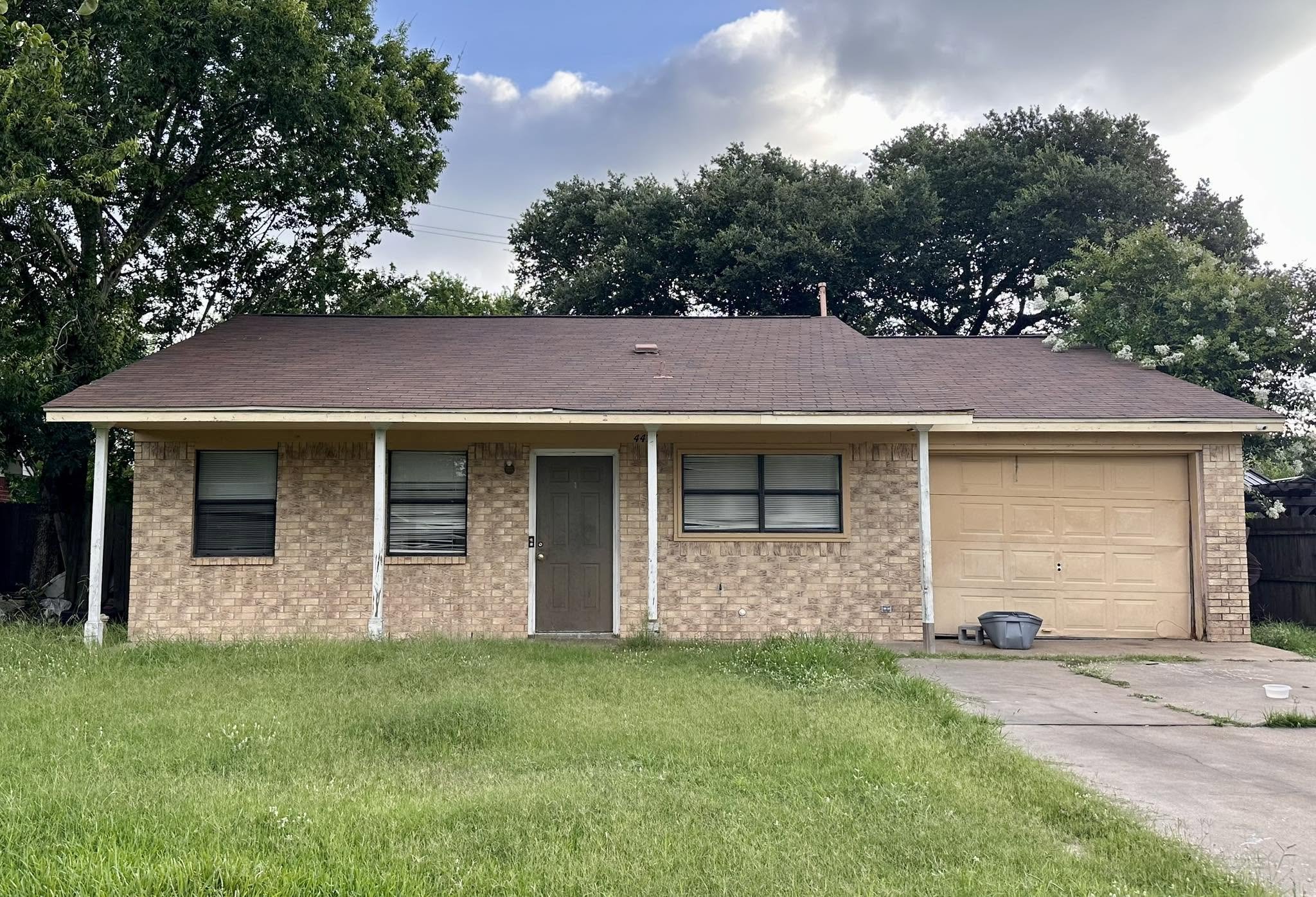
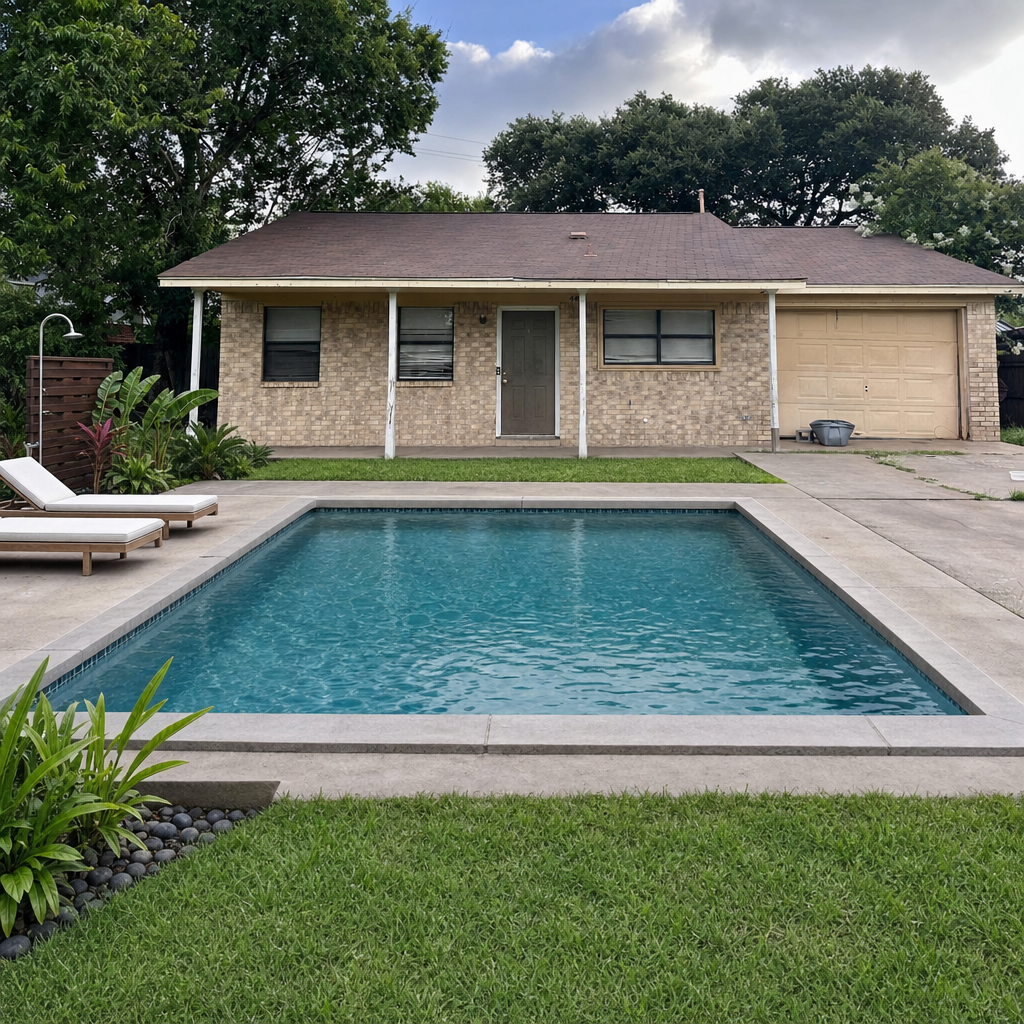
A virtual pool designer is AI software that renders a photorealistic pool into a real photo of your yard in under 60 seconds. Unlike 3D CAD suites like Pool Studio, which take a trained operator 4–8 hours and cost $200–$400/month, AI photo-based tools like Pools AI Design are free to start, need no design skill, and let you pick from 16 pool styles plus add-ons like decks and glass fences.
The biggest risk in pool construction isn't the budget — it's committing to a design you can't truly see until the concrete is poured. Traditional pool design required a paid consultation, an hours-long CAD session, and a lot of trust in an architect's rendering. That process is now obsolete.
AI-powered virtual pool designers let you see a photorealistic pool in your specific backyard — on a real photo of your actual property — in under 60 seconds. Here's how the technology works, what to look for, and how to use it to make better decisions before breaking ground.
What Is a Virtual Pool Designer?
A virtual pool designer is a software tool that generates a visual representation of a swimming pool in a specific outdoor space. The category includes two fundamentally different approaches:
AI Photo-Based Renderers
Upload a photo of your backyard (or enter an address for satellite view). The AI identifies the outdoor space, calculates the correct perspective, and renders a photorealistic pool directly into the image. Results look like a professional photography edit — the pool appears to actually exist in your yard.
These tools are fast (under 60 seconds), free to start, and require no design expertise. The best example is Pools AI Design, which goes further: you also choose a pool style (16 options), add features like wooden decks, glass fences, and waterfall elements, and describe specific details in free text before generating.
3D CAD Design Suites
Software like Pool Studio, VizTerra, and Realtime Landscaping Architect lets designers build a full 3D model of a property and pool from scratch. Results can be stunning — walkthroughs, 360° views, night renderings — but require a trained operator, take 4–8 hours per project, and cost $200–$400/month. Not practical for initial planning or homeowner use.
Why Visualize Before You Sign?
Pool construction is one of the largest home improvement investments a family makes — typically $40,000–$100,000. Surprises after the contract is signed are expensive:
- A pool that's the wrong shape for the yard's proportions
- Decking that clashes with the house exterior
- A size that leaves too little usable yard space for a family with kids
- Water features that look cluttered rather than elegant in context
A virtual pool designer surfaces these issues before any money changes hands. Most contractors who use AI visualization report that clients who saw a render before signing have significantly fewer change orders and higher satisfaction scores at project completion.
How to Get the Most Accurate Virtual Design
The quality of AI pool visualization depends heavily on the input photo. For best results:
- Shoot wide and from a distance. The full yard boundary — fences, walls, garden beds, the house — should be visible. The AI needs to understand the full space to place the pool correctly.
- Use natural light. Midday or golden hour. Avoid heavy shadows across the yard, which make it harder for the AI to read the ground plane.
- Shoot from a slightly elevated angle if possible — even standing on a deck or second-floor window gives the AI much more to work with than a ground-level shot.
- Landscape orientation. Most backyards are wider than they are tall; a landscape photo captures more usable yard context.
What Features to Look for in a Virtual Pool Designer
Not all virtual pool designers are equal. The features that matter for real planning decisions:
- Style selection. Can you choose between pool shapes and aesthetics? Family-friendly rectangular pools look different from resort-style freeform designs. A good tool offers multiple style categories.
- Feature add-ons. Real pool designs include more than water: decking, fencing, landscaping, water features. The best AI tools let you specify extras that get rendered into the final image.
- Before/after comparison. The result should be displayable side-by-side with the original photo — both for your own planning and for sharing with a contractor or family members.
- Share/export. You need to be able to send the result — to a contractor for a quote, to a spouse for sign-off, to an agent for a listing.
- Address/satellite mode. Web versions that accept an address and pull the aerial view automatically save significant time for contractors running multiple property assessments.
Virtual Pool Design for Contractors and Agents
AI virtual pool designers have found particularly strong adoption among pool contractors and real estate agents — not homeowners using them personally, but professionals using them as client-facing tools.
For contractors: Generating a render for a prospect before the first meeting costs nothing and takes 60 seconds. Showing up with a photorealistic image of the pool on the client's actual property — before any design fees or deposit — dramatically increases close rates. Pool contractor proposal best practices now routinely include AI visualization as a standard step.
For agents: Properties without pools but with pool-suitable yards can be visualized as pool properties. A listing photo showing the AI render alongside the real photo lets buyers see the potential, which expands the buyer pool and supports a higher asking price. More on selling listings with pool potential.
Try It Free
The fastest way to understand what virtual pool design looks like in practice is to run one yourself. Pools AI Design is free to start — upload a backyard photo, pick a style, add your features, and see your pool in under a minute. No account required.
For satellite/aerial view on any US address, the web app at usaipools.com generates a render from above — useful for planning larger yards or checking proportions before a site visit.