Yes, every US state requires a permit for in-ground pools, and most require one for above-ground pools deeper than 24 inches. Permits are issued at the local county or city level, typically take 1–16 weeks depending on the state, and cover structural review, setbacks, electrical, and safety fencing. Building without one risks stop-work orders, fines of $500–$5,000, forced demolition, and denied insurance claims.
If you're planning to build a swimming pool in the United States, you need a permit — no exceptions. Every state requires permits for in-ground pools, and most require them for above-ground pools over a certain size (usually 24 inches deep). Skipping the permit process isn't just a legal risk; it can make your pool uninsurable, force you to tear it down, and complicate the sale of your home years later. Permits are just one part of your overall pool cost budget.
Here's everything you need to know about pool permits before breaking ground.
Important: Pool permits are issued at the local level (county or city), not the state level. State law sets the minimum requirements; your local building department may impose additional rules. Always verify requirements with your specific municipality.
What a Pool Permit Covers
A pool building permit typically covers:
- Structural review: The pool shell design, excavation depth, and soil conditions
- Setback compliance: Minimum distances from property lines, the house, easements, and utilities
- Electrical: Bonding and grounding of all metal components, GFCI protection, and placement of outlets
- Fencing: All US states require a safety barrier (fence, wall, or automatic cover) to prevent child drowning
- Drainage: Where pool water drains during maintenance and backwash cycles
- Mechanical: Pump, filter, heater, and plumbing systems
State-by-State Overview: Permit Timelines & Key Rules
| State | Typical Permit Timeline | Notable Requirements |
|---|---|---|
| Florida | 2–6 weeks | Safety Act requires 4-sided barrier; HVAC setback rules apply |
| California | 6–16 weeks | Title 24 energy compliance for heaters; seismic engineering in some zones |
| Texas | 2–4 weeks | No statewide code; varies widely by city; some rural areas have no requirements |
| Arizona | 1–3 weeks | VGB Act compliance required; 60-inch barrier with self-closing gate |
| Nevada | 2–4 weeks | Water conservation rules may limit pool size in some municipalities |
| Georgia | 3–6 weeks | Licensed contractor required to pull permit in most counties |
| North Carolina | 3–5 weeks | NCDOT encroachment permit if near a state road |
| New York | 6–14 weeks | Strict electrical code; separate permits for electrical and plumbing |
| New Jersey | 4–8 weeks | Requires survey and plot plan; DEA review near wetlands |
| Illinois | 4–8 weeks | Cook County adds requirements beyond state minimum |
Standard Setback Requirements
Most jurisdictions require pools to be set back a minimum distance from property boundaries and structures. Common rules:
- From property lines: Typically 5–10 feet
- From the house: Typically 5–10 feet (to protect the foundation)
- From utilities: Call 811 (Dig Safe) before any excavation — required by law nationwide
- From septic systems: Usually 10–25 feet, varies by state
- From easements: Pools cannot be built within utility or drainage easements
Safety Fencing: Required Everywhere
The Virginia Graeme Baker Pool and Spa Safety Act (federal law) and complementary state laws require a safety barrier around every residential pool. Minimum requirements in most states:
- At least 48 inches high (some states require 60 inches)
- Self-closing, self-latching gate that opens outward away from the pool
- No gaps larger than 4 inches in the fence
- No climbable horizontal members on the exterior
Automatic pool covers that meet ASTM standards can substitute for a fence in some states. Check locally.
What Happens If You Build Without a Permit
Unpermitted pools create serious long-term problems:
- Stop-work orders: Inspectors can halt construction mid-build and require removal of completed work
- Fines: Typically $500–$5,000 depending on jurisdiction; ongoing daily fines in some areas
- Required demolition: Some municipalities require unpermitted pools to be filled and removed at the owner's expense
- Insurance denial: Homeowner's insurance may deny claims related to an unpermitted pool
- Sale complications: Title searches reveal unpermitted work; buyers can demand removal or price reductions
- Liability: If someone is injured at an unpermitted pool, your legal exposure increases significantly
The Permit Process: Step by Step
- Hire a licensed pool contractor — in most states, only a licensed contractor can pull a pool permit
- Get a site survey — required to show setbacks, property lines, and easements on a plot plan
- Submit permit application — contractor submits drawings, plot plan, and fee to the local building department
- Wait for approval — 2–16 weeks depending on jurisdiction (this waiting period is the biggest driver of total pool construction time)
- Schedule inspections — typically 3–5 inspections during construction (excavation, steel/rebar, electrical rough-in, final)
- Certificate of completion — issued after final inspection; required for insurance

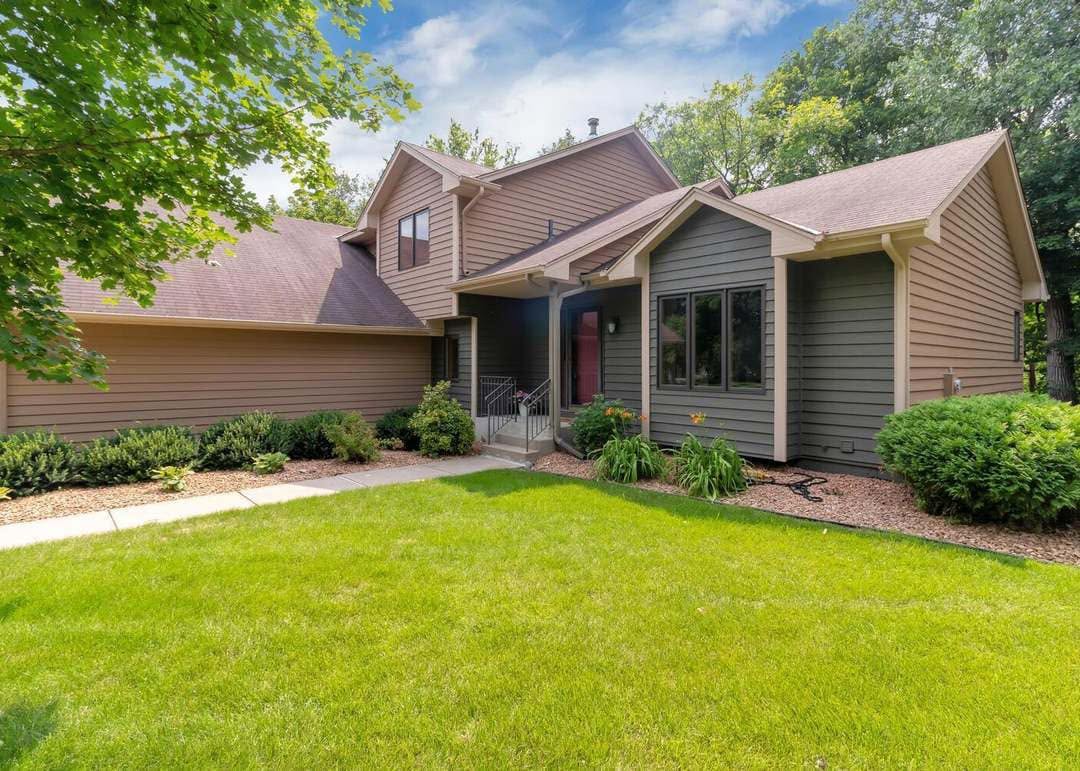
Using Visualization Before Submitting Your Permit
Before investing in a site survey and permit application, it's worth generating a satellite visualization of your yard with a pool to verify that a pool will actually fit within your setback requirements. A top-down satellite view makes it easy to see whether the available space respects the required distances from your property lines, house, and any easements.
If the visualization shows a clearance problem, you've saved yourself the cost of a permit application and professional survey on a project that wouldn't be approved anyway.
Check Your Yard Before You Apply
See exactly where a pool would sit in your yard — satellite-accurate — before spending money on permits and surveys.
Try It Free