Construction takes about 3–6 weeks for a fiberglass pool, 4–8 weeks for vinyl liner, and 2–6 months for concrete/gunite. From signing a contract to your first swim, allow roughly 6–12 weeks for fiberglass, 8–16 for vinyl and 12–24 for concrete, because design, permits and the builder's queue come first. A concrete pool's shell also needs about 28 days to cure, and nothing can speed that up.
How long it takes surprises most first-time buyers. The digging and building are often the quick part; the waiting before and between phases is what adds months. Below is a phase-by-phase schedule for each pool type, a worked example, the best time of year to start, and what you can do to avoid delays.
Timeline by Pool Type
Total time from signed contract to first swim, including design, permits and the builder's schedule:
Fiberglass
Vinyl Liner
Concrete / Gunite
Why fiberglass is fastest: the shell is made in a factory, delivered on a truck and set by crane in a single day. It's often in the ground and full of water within a couple of days of excavation. Vinyl pools need walls assembled and a liner fitted on site, which typically adds a week or two. Concrete is built entirely on site: steel, sprayed gunite or shotcrete, a curing period of about four weeks, then tile, coping and plaster. Each step needs its own crew and often its own inspection. For a fuller comparison of the materials, see fiberglass vs concrete pools.
Phase-by-Phase Durations
| Phase | Fiberglass | Vinyl liner | Concrete / gunite |
|---|---|---|---|
| Design and contract | 1–2 weeks | 1–2 weeks | 2–4 weeks |
| Permit approval | 2–8 weeks | 2–8 weeks | 2–8 weeks (longer for engineered designs) |
| Excavation | 1–2 days | 1–2 days | 1–3 days |
| Shell / structure | 1 day (craned in) | 3–7 days (walls, floor) | 1–2 weeks (steel, gunite) + about 28 days curing |
| Plumbing, electrical, equipment | 1–2 weeks | 1–2 weeks | 1–2 weeks (overlaps curing) |
| Coping, tile, decking | 1–3 weeks | 1–3 weeks | 2–4 weeks |
| Interior finish and fill | 1–2 days | 1–3 days (liner) | 3–7 days (plaster or pebble) |
| Water start-up and final inspection | About 1 week | About 1 week | 1–2 weeks |
These are typical ranges, not guarantees. Permit times depend heavily on where you live; our pool permit requirements guide covers what's usually needed.
The Full Timeline: From Contract to First Swim
Here's what happens at each stage, in order:
Worked Example: Two Schedules
To make the ranges concrete, here are two realistic schedules for a homeowner who signs a contract on February 1. Both assume a normal permit office (about four weeks), a builder who can start soon after approval, and average weather.
12 × 24 fiberglass pool
| When | What happens |
|---|---|
| Feb 1–14 | Final design, site survey, permit application submitted |
| Feb 15 – Mar 14 | Permit review (about 4 weeks); shell ordered from the factory |
| Mar 17–18 | Excavation; shell delivered and set by crane; backfill begins |
| Mar 19–28 | Plumbing, equipment pad, electrical and bonding; inspections |
| Mar 31 – Apr 11 | Coping and concrete or paver deck; fence installed |
| Apr 14–18 | Water balanced, final inspection |
| About Apr 19 | First swim: about 11 weeks after signing |
14 × 28 concrete (gunite) pool
| When | What happens |
|---|---|
| Feb 1–28 | Custom design and engineering drawings; permit application submitted |
| Mar 1–31 | Permit review (about 4 weeks) |
| Apr 1–3 | Layout and excavation |
| Apr 4–15 | Steel and plumbing set; pre-gunite inspection; gunite sprayed |
| Apr 16 – May 15 | Shell cures (about 28 days); equipment and electrical in, tile and coping set |
| May 16 – Jun 6 | Deck poured; fence installed |
| Jun 9–12 | Plaster or pebble finish; pool filled right away |
| Jun 12–26 | Start-up chemistry while the new finish cures; final inspection |
| About Jun 27 | First swim: about 21 weeks after signing |
Note how much of each schedule is spent waiting. The fiberglass crew only works on site for about four weeks out of eleven. Move the permit to eight weeks, or add a builder queue, and either timeline shifts a month or more.
The Best Time of Year to Build
Most people decide they want a pool in spring, which is exactly when builders and permit offices are busiest. Starting earlier pays off:
- Seasonal climates (Northeast, Midwest, Mountain West): Sign in late fall or winter, so design and permits are finished by the time the ground thaws. You'll be near the front of the spring build queue and swimming by early summer. Frozen ground and snow usually stop excavation in winter.
- Warm climates (Florida, Texas, Arizona, Southern California): Pools can be built year-round. Fall and winter usually bring shorter queues and better crew availability. Summer brings heat, and in Florida and the Gulf, afternoon storms that can stall concrete and decking.
- Wet seasons anywhere: Heavy rain halts excavation and concrete work, and a waterlogged hole can need pumping before work resumes.
If you want to swim by Memorial Day, aim to sign by January for fiberglass or vinyl, and by late fall for concrete.
What Causes Delays
Most overruns come from factors outside the contractor's direct control:
- Permit processing: Some busy jurisdictions, including parts of California, can take several months to approve a pool
- HOA approval: Many associations review pool plans before you can even apply for a permit
- Rain and weather: Excavation and concrete work can't go ahead in heavy rain, and gunite needs dry conditions
- Subcontractor scheduling: Electricians, plumbers and deck crews work across multiple job sites
- Material lead times: Custom tile, coping stone, a specific fiberglass model or specialty equipment can take weeks to arrive
- Inspections: Each failed or late inspection holds up the next phase
- Change orders: Every design change mid-build adds time and cost
- Underground surprises: Rock, high groundwater or unmarked utilities found during excavation may need extra equipment or a redesign
How to Speed Up Your Pool Build
- Start in fall or winter. Permitting and contractor scheduling are both faster off-season.
- Choose fiberglass. If speed matters most, a factory-made shell is in the ground in days, not weeks.
- Finalize your design before signing. Every decision made after the contract is a potential delay.
- Have your survey and HOA approval ready. Contractors who wait on paperwork before filing the permit lose weeks.
- Ask about the current build queue. A contractor with a 12-week backlog won't break ground sooner, whatever your permit date.
- Keep the path clear. Remove fences, sheds or plants in the equipment path before dig day.

Your To-Do List at Each Stage
The builder handles construction, but a few jobs fall to you, and doing them early keeps the schedule moving:
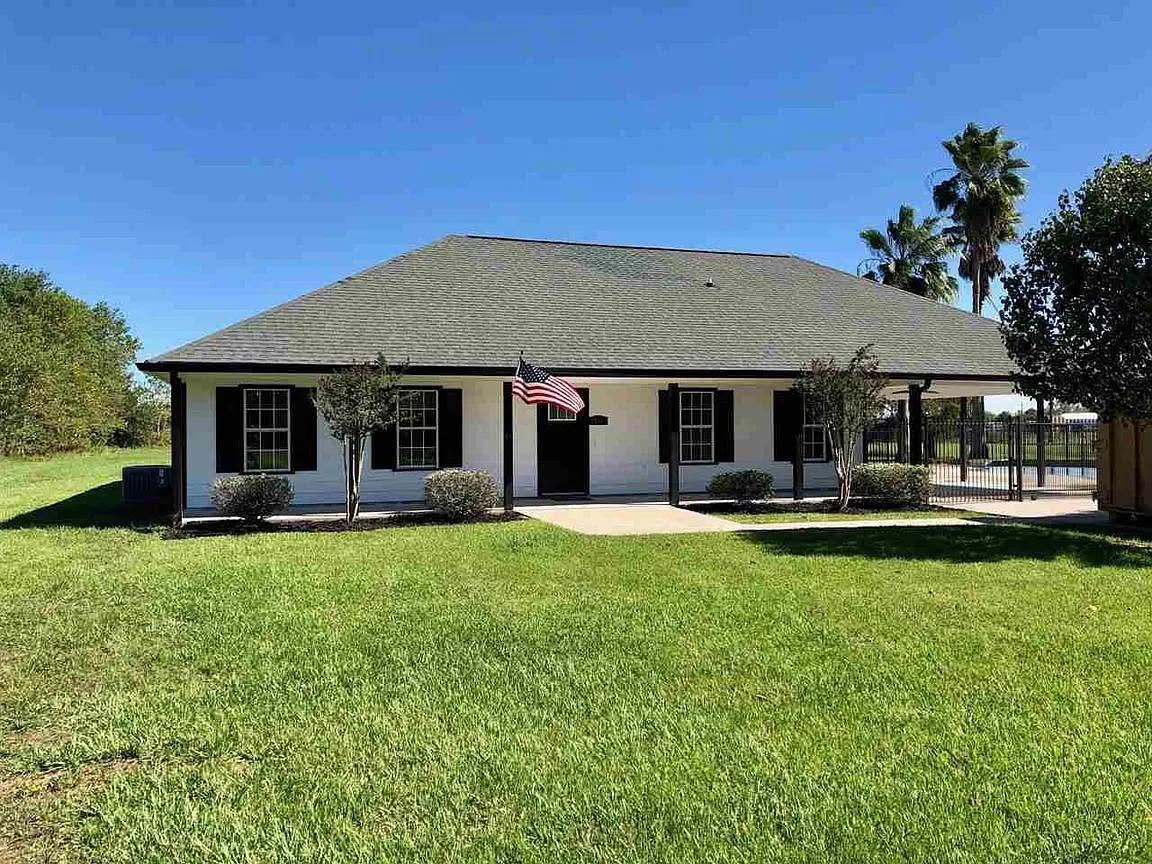
- Before you sign: Decide on size, shape, deck and any spa. Check setbacks and easements on your property survey. A rendered design of your own yard helps you settle these quickly; see how to visualize a pool in your backyard.
- Before the permit: Get HOA approval if needed, and give the builder your survey and any easement documents.
- Before excavation: Make sure utilities are marked. In the US, calling 811 before digging is free and required; your builder normally places the request. Plan where the dirt and equipment will go, and tell your neighbors.
- During construction: Be available for decisions on tile, coping and deck finishes so crews aren't waiting on you.
- Before the first swim: Install the required fence or barrier, learn the equipment from the builder, and confirm the final inspection has passed. Rules are in our pool safety requirements guide.
Want something faster? An above-ground pool installs in one to three days; compare the trade-offs in above ground vs in-ground pools.
Plan Ahead: Visualize Before You Commit
A pool project takes months from contract to first swim, so the decision deserves real planning. The first step, before calling a contractor, ordering a survey or applying for a permit, is making sure the pool you're imagining actually fits your yard. Factor the full cost of the project into your planning too. An AI render shows you the answer in about a minute.
Frequently Asked Questions
What is the fastest type of in-ground pool to install?
Fiberglass. The shell is factory-made and set in a single day, and full construction usually takes 3–6 weeks. Vinyl liner pools take about 4–8 weeks, and concrete pools 2–6 months.
Why does a concrete pool take so long?
It's built entirely on site in many separate steps, each with its own crew and often an inspection. The sprayed gunite or shotcrete shell also needs about 28 days to cure before the interior finish goes on.
Do permits count toward the timeline?
Construction estimates usually exclude permits, which typically take 2–8 weeks and can take several months in busy jurisdictions. Always ask a builder whether their timeline starts at signing or at groundbreaking.
When should I start if I want to swim by summer?
Sign by January for a fiberglass or vinyl pool, and by late fall for concrete, so design and permits are done before the spring rush.
See the Finished Pool Before Construction Starts
Don't spend months building something you haven't seen. USAIPools renders a photorealistic pool on your satellite view, Street View or backyard photo in about a minute.
Try It FreeSources
- River Pools: Common swimming pool construction questions: fiberglass project duration and install day
- PoolResearch: How long does it take to build a swimming pool?: durations by pool type and concrete curing
- Beatbot: How long does it take to build a pool?: vinyl and concrete timelines, permit and weather factors
- This Old House: Inground Pool Cost (2026 Guide): pool types and permit costs
Durations are typical ranges from builders and industry guides. Your builder's schedule, local permit office and weather will set the real timeline.
📱 Prefer your phone? The USAIPools app renders the same photorealistic pool from a photo of your own yard, and its new AR mode shows the pool at true size in your yard through the camera.
Get it on Google Play