Yes, a pool typically adds value — an in-ground pool boosts a home's resale value by 5–8% nationally, but the payoff swings sharply by climate. Warm-climate markets like Florida, Arizona, and California see an average +11% (up to 10–15% in premium neighborhoods), while cold-climate markets like the Midwest and Northeast average just +2%, since a pool sits unused 6–7 months a year and can even narrow the buyer pool.
It's one of the most common questions homeowners and real estate agents face: does adding a swimming pool actually increase a home's resale value? The honest answer is: it depends — on your market, your neighborhood, your buyer pool, and how well the pool is presented. Here's what the data says, and what it means for your specific situation.
The National Average: ROI Varies Widely
According to real estate appraisal data, an in-ground swimming pool adds an average of 5–8% to a home's resale value nationally. On a $500,000 home, that's $25,000–$40,000. With in-ground pools costing $50,000–$100,000 to build, you're typically recovering 40–60 cents on the dollar — which is why most financial advisors say pools are lifestyle investments, not financial ones.
But that national average obscures enormous regional variation.
Where Pools Add the Most Value
Climate is the primary driver of pool value. In warm-weather states — Florida, Arizona, Texas, California, Nevada — a pool is a standard amenity in many neighborhoods. Buyers expect it. A comparable home without a pool may actually sell for less than one with, or take longer to sell.
In these markets, high-end neighborhoods where neighbors already have pools are where you see the largest value increases. An in-ground pool in Scottsdale, AZ or Tampa, FL may add 10–15% to a home's sale price in the right price tier.
Where pools add less (or negative) value
In colder climates — Minnesota, Michigan, New England — a pool is a liability for many buyers. It's a structure that costs money to maintain, sits unused for 6–7 months a year, adds insurance risk, and creates safety concerns for families with young children. In these markets, a pool can actually narrow your buyer pool significantly, reducing competition and putting downward pressure on your sale price. For a full comparison of pool types by budget and climate, see our above ground vs in-ground pool guide.
The "Pool Potential" Advantage
Here's where the picture gets more interesting for real estate agents and sellers: you don't have to build the pool to benefit from its potential.
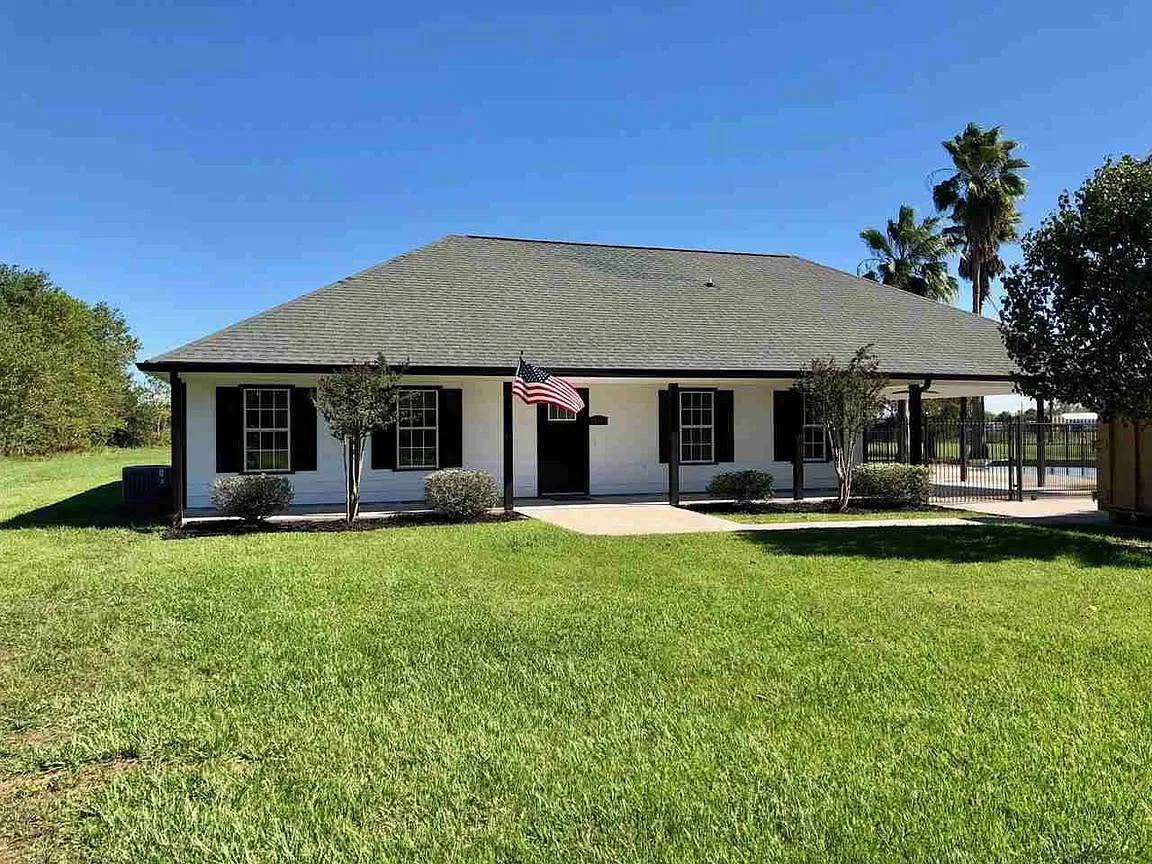
Properties with a yard that's clearly well-suited for a pool — meaning good size, right orientation, minimal obstacles — can be marketed to buyers who want to add a pool themselves. The key is helping those buyers visualize the transformation. A backyard that looks like a blank canvas in listing photos reads as "small and empty." The same backyard with a photorealistic AI-rendered pool in the listing images reads as "pool-ready."

The Ongoing Cost Calculation
Even if a pool adds value to your sale price, prospective buyers factor in ongoing maintenance costs. A pool typically costs $1,200–$3,000 per year to maintain (chemicals, cleaning, equipment service). In some markets, buyers will discount a pool's added value by the capitalized cost of this maintenance.
This is why premium pool finishes, efficient equipment, and well-maintained decking all pay dividends at resale — they signal low ongoing cost rather than a money pit.
The Bottom Line for Homeowners
If you're in a warm-weather market and plan to stay in your home for 5+ years, a pool is likely to recover 50–70% of its cost at resale while delivering years of enjoyment before you sell. If you're in a cold-weather market or planning to sell within 2–3 years, the ROI math generally doesn't work — but the lifestyle decision might still be worth it for the right family.
Before committing either way, use AI visualization to understand exactly what a pool would look like in your specific yard. That visual clarity makes the decision much easier — and gives you something concrete to show buyers if you ever do sell.
See the Pool Potential in Your Yard
USAIPools renders a photorealistic pool onto your satellite view in under 60 seconds. Free for the first 3 addresses.
Try It Free