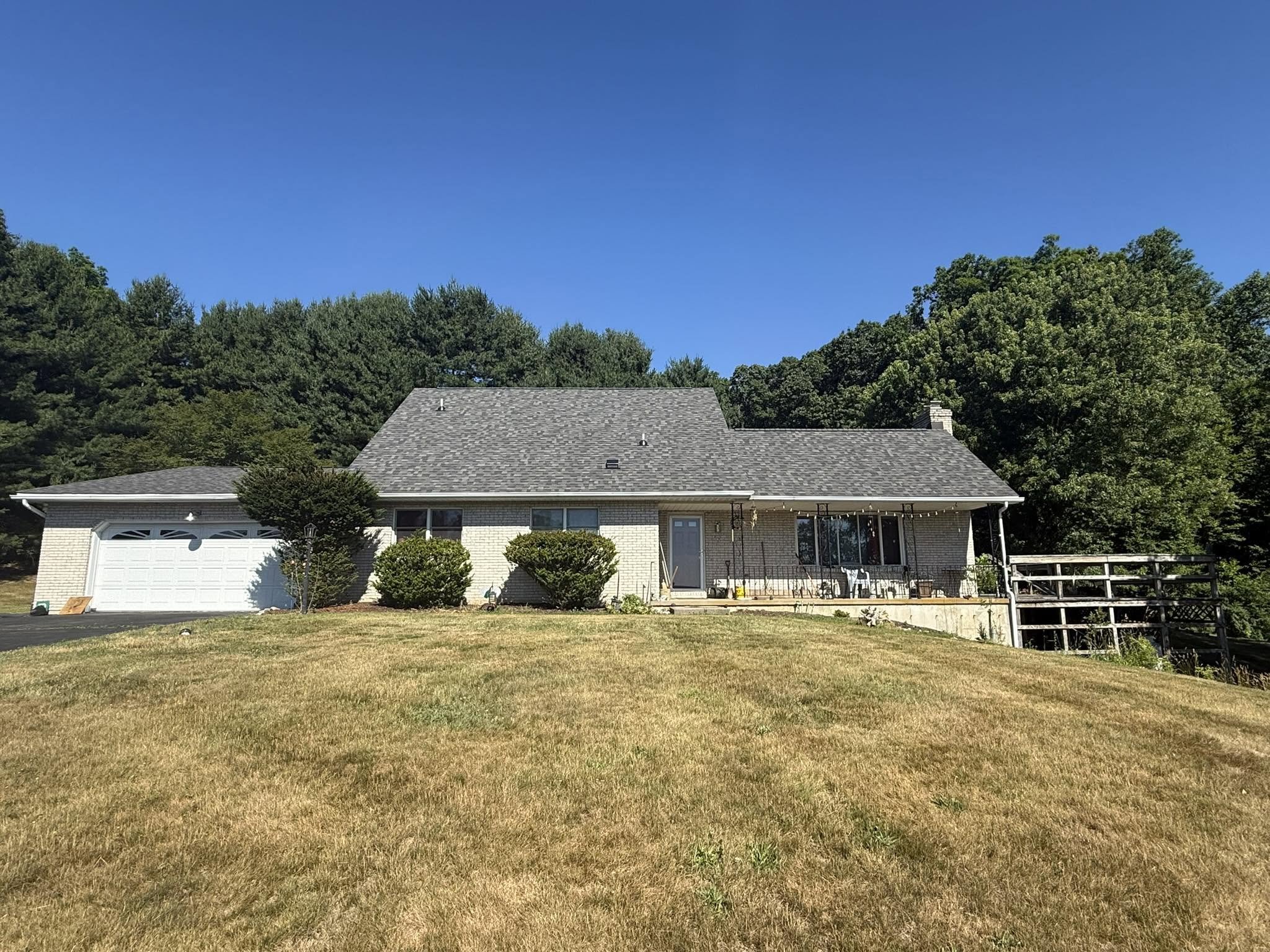
Pool contractors use AI visualization to convert cold leads faster by showing prospects a photorealistic render of a pool in their actual backyard before the first meeting. Common workflows include pre-meeting renders from just an address, live style exploration in client meetings, bulk address renders for targeted direct mail or social ads, and sharing the before/after with the homeowner — each render ready in about a minute.
The pool construction industry is fragmented, competitive, and relationship-driven. Most contractors get new business from referrals. Most referrals convert at high rates. The problem is everyone else — the cold leads, the website inquiries, the homeowners who've gotten three quotes and are comparing on price.
AI visualization has emerged as the highest-leverage tool for converting those cold leads — not by replacing the human sales relationship, but by compressing the timeline between "I'm thinking about it" and "here's my deposit."
The Core Problem AI Solves
Pool construction is a high-imagination sale. The product doesn't exist yet. The prospect is being asked to spend $50,000–$150,000 on something they can only imagine based on catalog photos, generic renderings, and their own visualization ability.
The gap between what a prospect imagines and what they'll actually get is the source of most pool sales friction:
- They're not sure the pool will "fit" the yard proportionally
- They can't agree with their spouse on what style they want
- They're anchoring on a different reference image than the contractor
- They're worried about losing yard space for kids or pets
A photorealistic render of their specific backyard answers all four objections simultaneously. It shows proportions, style, yard impact, and design direction in a single image. And with AI tools, that image takes 60 seconds to produce.
The Four Contractor Workflows
Workflow 1: Pre-Meeting Render (Cold Leads)
Before any first meeting, run the prospect's address through a satellite-based AI tool like USAIPools. In 60 seconds you have a photorealistic aerial render of their pool — their actual property, their actual yard, not a stock photo.
Email it to them the day before the meeting with a subject line like: "Here's what your backyard could look like — see you tomorrow at 2pm."
The effect: the prospect has already emotionally committed to the project before you walk through the door. The meeting shifts from "is this even possible for us?" to "what features do we want?"
Workflow 2: In-Meeting Style Exploration
Bring a laptop or tablet to the meeting. Use an AI tool with multiple style options — Family Backyard, Resort, Modern, Infinity — and generate variations live while the client watches. The ability to say "let's try the dark-finish infinity edge version" and show it 60 seconds later is more persuasive than any catalog or lookbook.
This workflow is especially effective with couples who disagree on style direction: seeing their actual backyard with each option side-by-side resolves the disagreement visually rather than verbally.
Workflow 3: Lead Generation at Scale
For contractors with marketing budgets, AI visualization becomes a lead-generation tool itself. The workflow: run 100 addresses in a target neighborhood through the tool, select the 30 most visually compelling results, and use those images in direct mail or social media campaigns targeting those specific homeowners.
"Here's your backyard with a pool" as a postcard or Facebook ad is dramatically more compelling than a generic pool photo — because it's personalized to the recipient. USAIPools supports this with the Agency plan ($249/mo, up to 10 renders a day).
Workflow 4: Send the Render to the Homeowner
Download the before/after image or an animated before/after GIF, or copy a share link, and send it to the homeowner yourself — by email, text or social message. For contractors who want to create a warm lead before any cold outreach, this delivers value first — the homeowner receives a free visualization of their property — which generates inbound curiosity rather than cold-call resistance.
What AI Visualization Doesn't Replace
AI visualization is a front-of-funnel tool. It gets prospects to lean in, accelerates the qualification conversation, and reduces time-to-signature. It doesn't replace:
- Detailed design: Engineering drawings, structural specifications, and construction documents still require professional CAD tools and a design team.
- Relationship: The contractor who wins is still the one the homeowner trusts. AI visualization creates the opening; the relationship closes the deal.
- Site assessment: Soil conditions, utility locations, drainage grades, and setback requirements require a physical site visit regardless of how good the render looks.
- Realistic expectations: AI renders are planning visualizations — they may show a pool style that's achievable, but the detailed design will diverge. Be clear with clients about what the render represents.
Measuring the Impact
The simplest way to measure whether AI visualization is improving your close rate: track separately the close rates of leads where you used visualization vs. those you didn't. Run the comparison over 90 days. Most contractors who do this rigorously find a meaningful gap.
Secondary metrics worth tracking: time from first meeting to signed contract, number of meetings before signing, average deal value (prospects who engage with design options earlier tend to add more features), and referral rate (clients who had a good visualization experience are more likely to show neighbors the render).
Getting Started
The fastest way to evaluate whether AI visualization fits your workflow is to run it on 10 of your current active leads. The free tier includes initial renders — no credit card required. Generate renders for your next 10 prospect addresses and use them in your next round of follow-up emails.
For contractors looking to build a more complete software stack, the pool contractor software guide covers the full ecosystem: visualization, 3D design, project management, and CRM tools by business size.