Find a pool contractor near you through your state licensing board, the PHTA/APSP directory, neighbor referrals, Google Business Profiles, and Houzz or Angi — then vet each one for an active license, current insurance, and verified references. Always collect at least three competitive bids, more for projects over $60,000, since price and scope can vary significantly between contractors even in the same market.
Searching "pool contractor near me" returns dozens of results in most US markets. But a high Google ranking is not a proxy for quality. Some of the best pool builders in any city operate on referral only, with minimal online presence. Some of the worst have slick websites and hundreds of five-star reviews.
Finding the right pool contractor takes more than a Google search. This guide walks through where to look, how to filter the field, what a great proposal looks like, and how AI visualization tools help you evaluate competing bids with confidence.
Where to Find Pool Contractors
Use multiple sources — the best contractors are usually well-represented in at least two or three of these channels:
State Licensing Board
Your state's contractor licensing database lets you search by specialty and location. This is where you confirm a license is valid — use it for discovery too.
PHTA / APSP Directory
The Pool and Hot Tub Alliance member directory lists certified builders who have met professional training standards. A good starting filter for quality.
Neighbor Referrals
The highest-signal source. Ask neighbors with pools who built theirs and whether they'd hire them again. You'll also see the finished work in person.
Google Business Profiles
Check the volume and recency of reviews. Look for consistent themes — on-time delivery, communication, quality of finish — not just star averages.
Houzz and Angi
Both platforms verify that reviewers are real customers. Filter by pool/spa specialty and sort by recency. Read negative reviews carefully for recurring problems.
Local Showrooms
Pool supply showrooms often keep a referral list of contractors they trust. These relationships are built on contractor reputation, not paid advertising.
How to Vet a Contractor You Found Online
Once you have a shortlist of 4–6 names, run each through the same process before requesting a quote:
- License check: Visit your state contractor licensing board and look up the company by name or license number. Confirm the license is active, covers pool and spa construction specifically, and has no complaints or disciplinary actions. This takes five minutes and eliminates a surprising number of candidates.
- Insurance verification: Ask for a certificate of general liability and workers' compensation. Call the insurer listed to confirm the policy is current. If they won't provide this, stop here.
- BBB and state attorney general search: Search the company name at the Better Business Bureau and your state AG's consumer complaint database. Patterns of unresolved complaints are a serious red flag even if the license is clean.
- Google Street View their business address: Legitimate pool companies have a physical location — a showroom, office, or yard with equipment. A residential address or P.O. box warrants extra scrutiny.
- Ask for local references: Request two or three references from jobs completed in the past 12 months in your area. Call all of them.
Get Multiple Bids — Always
A minimum of three competitive bids is the standard advice. For projects over $60,000, aim for four or five. Here's why:
- Price calibration: Without multiple bids, you have no idea whether $72,000 for your pool is competitive or 25% over market. Three bids give you a market reference point.
- Scope comparison: Bids that look similar in total price often differ significantly in what's included — pool shell thickness, pump size, filter type, warranty length, decking allowance. Comparing multiple detailed proposals reveals what you're actually getting.
- Negotiating position: A lower competing bid (from a qualified contractor) gives you leverage to negotiate improvements — better equipment, longer warranty, faster start date — without necessarily just asking for a lower price.
- Red flag detection: If one bid is 40% lower than all others, something is missing from scope or the contractor is cutting corners on materials. Outliers in either direction deserve scrutiny.
What a Good Proposal Looks Like
The quality of a contractor's written proposal tells you a lot about how they'll manage your project. A strong proposal includes:
- Exact pool dimensions and shape with a to-scale drawing, not just a description.
- Material specifications: Not "concrete pool" but "6-inch gunite shell, #4 rebar at 12-inch grid, quartz plaster finish." Not "pump" but the exact manufacturer and model number.
- Equipment list: Variable-speed pump, filter type and size, heater BTU rating, sanitization system.
- Permit and inspection responsibilities clearly stated (who pulls the permit, who schedules inspections).
- Payment schedule tied to specific milestones, not arbitrary dates.
- Warranty terms for workmanship (typically 1–3 years) and which equipment warranties are passed through to you.
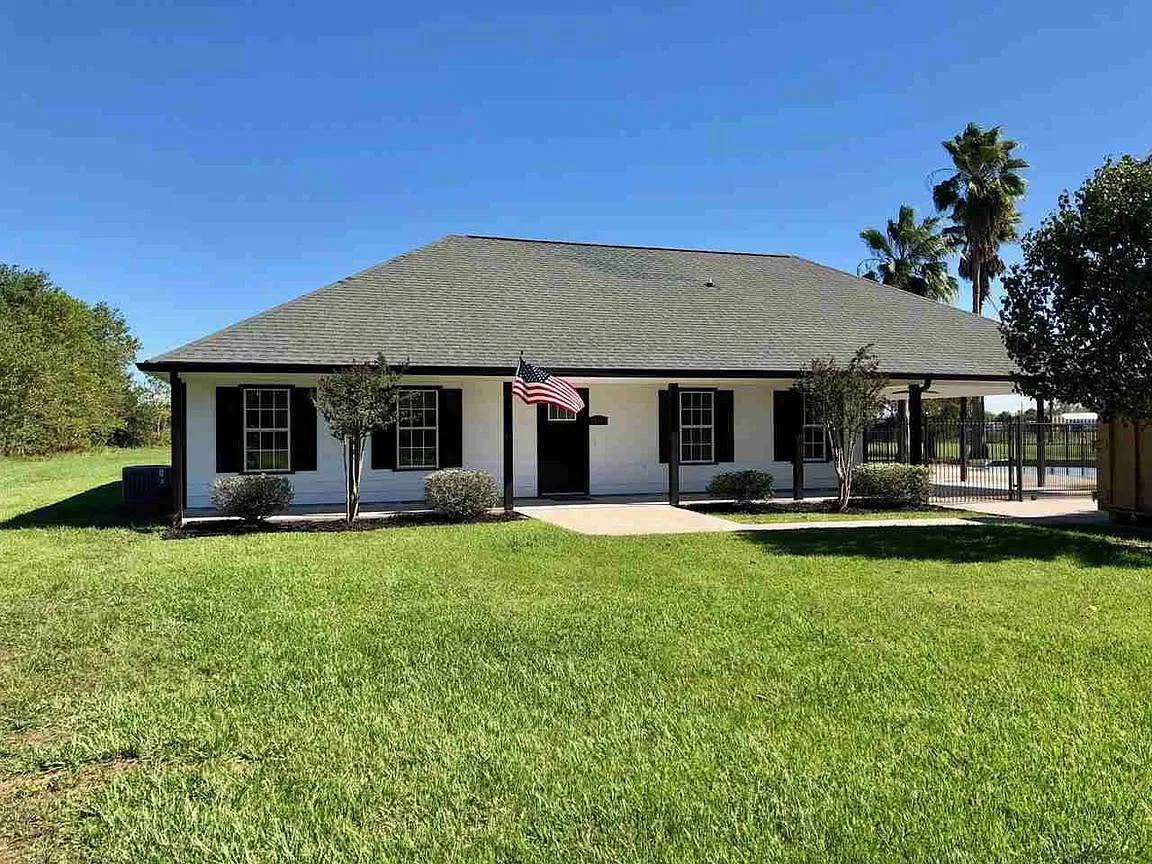
- Project visualization. The best contractors show you exactly what your pool will look like in your actual yard before you sign. If your contractor doesn't offer this, use USAIPools to generate a photorealistic before/after visualization of your property — then share it with each contractor to confirm they're building what you're picturing. Comparing proposals is much easier when you're working from the same visual reference.

Markets We Serve
USAIPools generates AI-powered pool visualizations for any US residential address. We have dedicated resources for pool buyers in the highest-volume pool markets in the country:
Each city page includes local permit requirements, typical cost ranges, and vetted questions to ask contractors in that market. Not your city? USAIPools works for any US address — enter your address in the tool below.
See Your Pool Before You Hire Anyone
Generate a photorealistic before/after visualization of your property with a pool in under 60 seconds. Use it to brief contractors, compare proposals, and walk into every meeting knowing exactly what you want.
Try It Free